

Exploring the Historical Evolution of Casino Culture Through the Ages
The Origins of Gambling and Early Casino Culture
The history of gambling dates back thousands of years, with evidence of games of chance found in ancient civilizations such as Mesopotamia and China. The earliest forms of gambling involved simple games with dice or betting on the outcomes of events. These activities laid the groundwork for more organized gaming environments, eventually leading to the establishment of early casinos. The first recorded casino, the Ridotto, opened in Venice, providing a regulated space for gambling and social interaction. Today, enthusiasts can explore games like Le Fisherman online at le-fisherman.uk.
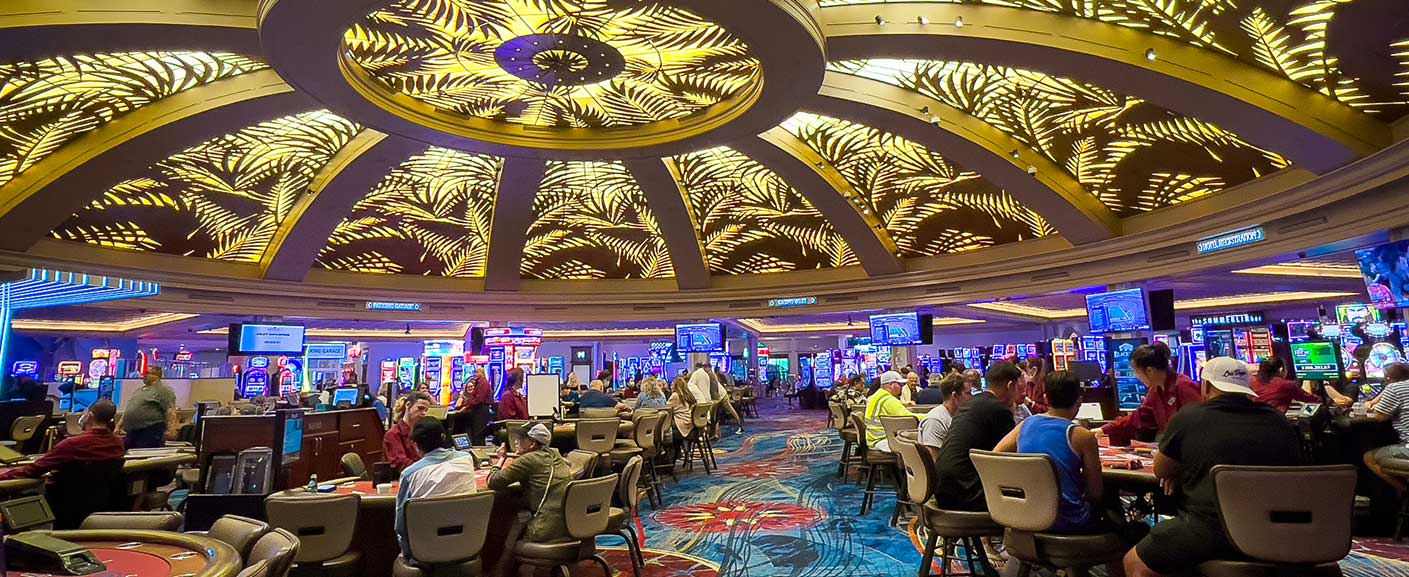
As gambling became more popular, the concept of casinos evolved. They began to serve not only as places for gaming but also as social hubs where people gathered to enjoy entertainment, music, and dining. This dual-purpose function helped to normalize gambling in society, attracting a wide variety of patrons, including nobility and merchants alike.
The Rise of Modern Casinos in Europe
The 18th and 19th centuries saw a significant transformation in casino culture, particularly in Europe. The establishment of grand casinos in cities like Monte Carlo and Baden-Baden marked a shift toward luxurious, opulent gambling experiences. These venues offered not just games, but a lifestyle filled with elegance, attracting the elite of society.
During this period, casinos became synonymous with glamour and sophistication, as they hosted extravagant events and offered lavish amenities. The advent of roulette and other card games contributed to the allure, making casinos a desirable destination for those seeking excitement and social status.
The American Casino Boom
The early 20th century brought about a unique evolution in casino culture in the United States. The legalization of gambling in Nevada in 1931 led to the birth of Las Vegas as a major gambling destination. The city transformed from a small desert town to a bustling metropolis filled with extravagant hotels and casinos, drawing visitors from around the world.
Las Vegas casinos introduced themed environments and elaborate entertainment options, further revolutionizing the casino experience. The combination of gambling, shows, and fine dining created an all-encompassing leisure experience that appealed to a broad audience, solidifying Vegas’s status as the gambling capital of the world.
Online Casinos and the Digital Age
The late 20th century and early 21st century saw the rise of the internet, fundamentally altering the landscape of casino culture. Online casinos emerged, allowing players to engage in their favorite games from the comfort of their homes. This shift democratized access to gambling, attracting a new generation of players who preferred the convenience of digital gaming.
Technological advancements have continuously shaped online casino experiences, introducing live dealer games, mobile applications, and innovative gaming formats. This evolution has not only expanded the audience for gambling but also fostered a more inclusive environment, as individuals can choose how and when to participate in gaming activities.

The Future of Casino Culture
As we look to the future, casino culture continues to evolve with changing societal norms and technological advancements. Emerging trends like virtual reality gaming and blockchain technology promise to redefine the gambling experience. These innovations aim to enhance player engagement and trust, offering new ways to enjoy traditional games.
In this dynamic landscape, the concept of community remains vital, with casinos adapting to incorporate social aspects that resonate with modern players. Whether through in-person experiences or online interactions, the essence of casino culture remains rooted in shared excitement and entertainment.